AI 'Nudify' Apps and Children: What Parents and Educators Need to Know (Updated 1 July 2026)
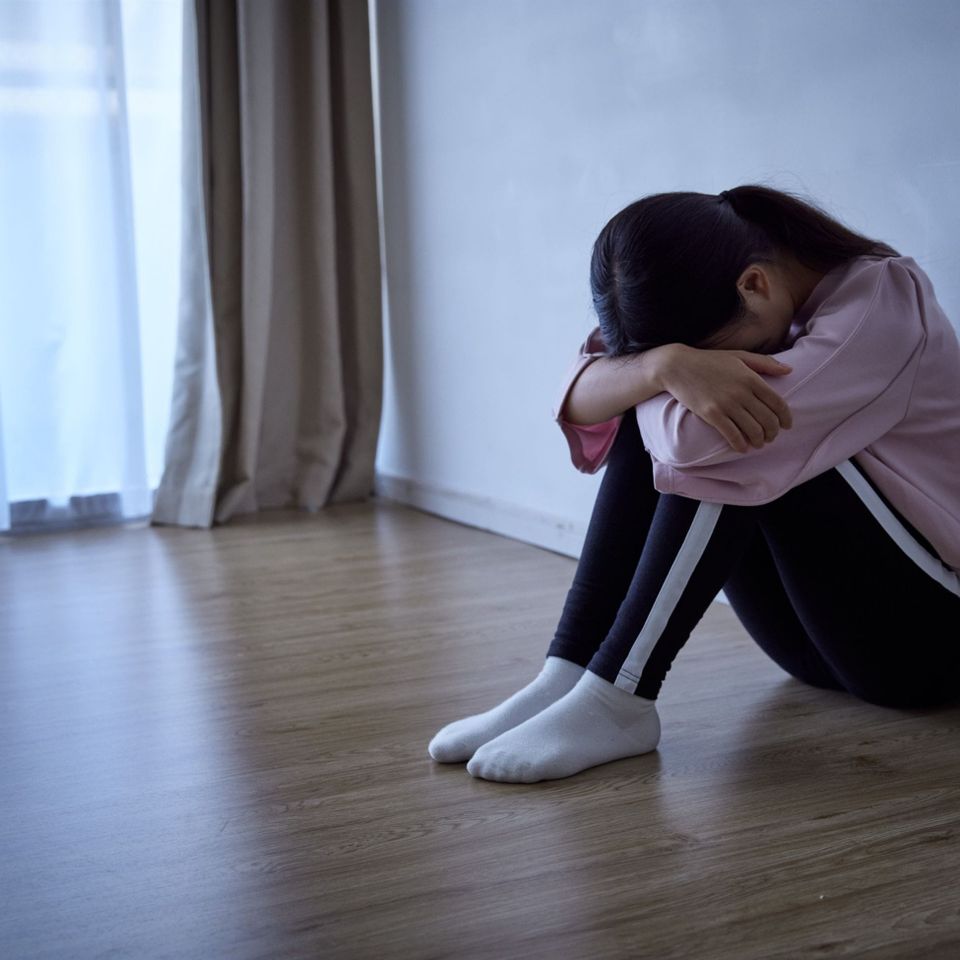
AI “nudify” apps are putting children at risk by turning ordinary photos into fake nude or sexualised images. These tools can create images that may amount to child sexual abuse material (CSAM), which is illegal in the UK and many other countries.
Nudifying apps, and similar software, use AI to digitally remove clothing from a photo. In doing so, it is possible to generate a sexualised version of an image, or place a child’s face onto a nude or sexual image. They are sometimes called “nudification” tools or “undress” apps. They are forms of AI image-generation or image-manipulation technology, including deepfake, face-swap, image-editing and nudification tools.
When they are used against children, the image may be fake, but the effect on a child can be devastating. This is also the case when they are used against adults, but this particular article and guidance will focus on children.
A child whose image has been manipulated can feel exposed, ashamed, frightened, bullied or out of control. The image may be used to humiliate them, threaten them, coerce them, or pressure them into sending real images. It may also be shared among peers as “banter” or a joke, despite the devastating impact on the child.
This is a serious safeguarding issue that parents, educators, and carers need to know about. Children also need educating about these risks, at an age-appropriate level.
This article covers what to do if this has happened to a child, then moves on to further details about the apps, some information about the legal issues surrounding them, and practical actions that parents and educators can take now.

If this has happened to a child: what to do now - step by step
If you discover that a nude, semi-nude or sexualised image of your child or another child has been created or shared, try to stay calm.
If a child has come to you to report this, either about themselves or someone else, your response in the first few minutes can make a real difference to their wellbeing and whether they feel safe enough to tell you more details about what has happened.
Let them know that you’re glad they’ve told you and that you will help them to deal with it.
Then go through the following steps. These exact steps are specific to the UK, however this same process is applicable in many other jurisdictions.
Remember - before carrying out the following steps, if a child has reported this, reassure them that they have done the right thing by telling you, that they are not to blame, and that you will help them.
Do not ask a child to show you the image,
Do not share/download/save the image,
Do not delete evidence
With sexual images of children, it is important not to view, save, copy, print, download or forward the image unnecessarily.
If you have already seen it though, don’t panic - the most important thing is not to save or circulate it further.
Don’t delete the image or ask anyone else to at this initial stage. This is so that evidence is retained during initial investigations - you must not create a copy or save the image.
If you are the Designated Safeguarding Lead in a school (DSL), follow current government guidance on whether or not it is or is not appropriate to view an image under exceptional circumstances. Do not copy, share, print or save any images - but do not delete them at this initial stage of the process.
Remember that anyone who sees the image may themselves need professional support.
Check whether any child is in immediate danger, then report through the right safeguarding or police route
Establish whether anyone is in immediate danger - such as threats of harm, asking for money, demanding more images, or trying to get a child to meet them. A risk of immediate harm could be to the child depicted in the image, or to someone else.
In the UK, call 999 if there is an immediate risk of harm.
In other countries, call the emergency police number if there is an immediate risk of harm.
If there is not an immediate risk of harm, you do not have to contact the emergency police number.
What to do when there is no immediate risk of harm
If you are a parent/carer/anyone else acting in a non-professional capacity and a nude, semi-nude or sexualised image of a child has been created or shared - and there is no immediate risk of harm to anyone - you should report it through a non-emergency police or child-protection route.
In the UK, call 101, report online via police.uk, or use CEOP (CEOP applies where online sexual abuse, grooming, coercion, threats or an unknown person may be involved). If the incident is connected to school, inform the school’s Designated Safeguarding Lead (DSL) who can advise on next steps.
If you are a member of staff in a school or youth setting - and there is no immediate risk of harm to anyone - report it immediately to the Designated Safeguarding Lead (DSL) or equivalent and follow safeguarding procedures. Do not investigate, copy, save or share the image yourself. If a child has reported the incident to you, support and reassure them until the DSL takes over, but do not investigate further.
Preserve Evidence
Do not send, share or save the image anywhere or with anyone unless you have been very specifically advised to do so by police or an equivalent official safeguarding professional.
Instead, preserve basic evidence, such as any URLs (website addresses), any profile details, time/date, messages connected with it, and names of anyone involved, including anyone who is known to have seen or shared the image.
Parents and professionals do not need to establish whether an image is AI-generated or if it is photorealistic before acting. If a nude, semi-nude or sexualised image of any kind appears to involve a child, treat it as a safeguarding concern and seek help immediately.
If there is blackmail or sexual extortion ('sextortion'), do not engage with it
If someone is threatening a child, tell the child to stop responding to the messages.
Do not delete the conversation or the account details, as these may be needed as evidence. Take a note of the account name, then block the account. You may retain evidence of messages and profile details, but - as explained above - not of any nude/semi-nude/sexualised image of a child.
The priority is to stop the contact. If police or a safeguarding professional gives you different instructions, follow those instead.
Do not pay money, send anything, or send more images. If money or anything else has already been sent, include these details in a report to the police, but do not send anything further.
This advice also applies to schools or other organisations being blackmailed in this way - request urgent police guidance on what to do.
Request specific advice from police on dealing with the blackmail or sexual extortion aspect.
Report it to the platform
Use the reporting tools on the app, website or social media platform where the image appeared.
If it has been shared anywhere else, such as in a school group chat, social media group, gaming platform or messaging app, report it there too.
The organisation Internet Matters provides specific guidance on reporting on individual platforms on this page.
Use a specialist removal service, and delete images where appropriate
If you are in the UK, use Report Remove, run by Childline and the Internet Watch Foundation. It helps young people under 18 report nude or sexual images and videos of themselves, including AI-generated or altered images, and may be able to help get them removed from the internet.
If you are outside the UK, Take It Down from the National Center for Missing & Exploited Children may also help. It is designed to help remove or stop the sharing of nude, partially nude or sexually explicit images or videos taken before someone was 18, on participating platforms.
In many countries, there are also national hotlines for reporting child sexual abuse material. If you are unsure where to report, look for your country’s official child protection, police or online safety reporting route.
If anyone is still in possession of the image, seek prompt advice on how and when to delete it. This may involve getting advice from police, or for Designated Safeguarding Leads it may involve following up to date government guidance for safeguarding processes in education, or police guidance in certain circumstances. It is extremely important that everyone involved follow appropriate guidance for deleting the image.
The aim should be to ensure the image is no longer saved or accessible on any device or account within the control of those involved, while also using reporting and removal routes where it has been shared more widely.
Links:
Support the child emotionally
The fact that AI has been used in creating images does not lessen the emotional impact on those involved.
They may be frightened about who has seen it, whether it will spread, whether they will be blamed, or whether people will believe it is real. They may also be embarrassed to tell you the full story.
Try not to interrogate children involved, but keep returning to the same message - they are not to blame, they are not in trouble, and adults are there to help.
Children will need support beyond the first day. If the image has been shared at school or in a peer group, think about what they need emotionally, socially and practically - who they feel safe with, whether they need help managing group chats, whether they are worried about returning to school, whether pastoral or specialist support at school would help, and whether professional support such as counselling could help.
Remember also that other children involved may need support. Similarly, any adult involved in reporting the incident or supporting the child may need help - this is particularly important for school leadership to remember if your school has been involved.
What are AI “nudify” apps?
We’ve now covered the practical aspects of reporting and managing an incident, and supporting anyone involved.
The rest of this article will go into more detail on what the technology is and the issues around it, including prevention advice. If you are responding to an incident, follow the process outlined above - there is no need to read further when responding to an immediate situation.

AI “nudify apps” use AI to create fake nude, semi-nude, or sexualised images from ordinary photos. Some appear as dedicated “undress” or “nudify” tools. Others may be general image-editing, face-swap, or deepfake tools that can be misused. They can exist on devices, laptops and desktop computers.
A child does not need to have taken or shared a nude or semi-nude image for this to happen. A normal photo from social media, a school event, a sports club, a family post, or even a profile picture may be enough for someone to alter with AI.
These tools are often easy to access, and many can be used by people with little technical knowledge. This creates new risks for children in schools, friendship groups, gaming spaces and online communities.
They can be used to:
- bully or humiliate a child;
- threaten or blackmail them;
- pressure them into sending real images;
- create sexualised images from ordinary photos;
- spread abuse disguised as a joke;
- normalise the idea that children’s bodies can be manipulated and shared.
Why is this so serious for children?
A fake nude, semi-nude, or sexualised image causes very real distress. Children may feel ashamed and often worry that the image will follow them, that adults will not understand, or that others will believe it is real.
These images can also be part of wider patterns of bullying, harassment, misogyny, grooming, coercion or sexual exploitation.
Child-on-child abuse can also be an issue. Some children may use these tools on classmates as a “joke”, dare or act of revenge, without understanding the seriousness of what they are doing - which is one of the reasons pre-emptive education is so important. However, “it was only a joke” does not undo any of the harm to the child targeted - nor does it change the fact that nude, semi-nude or sexualised AI images of children should always be treated extremely seriously.
This issue also involves dignity, safety, consent, trust and the right of children to grow up without their bodies being digitally exploited.
Are these images illegal?
In the UK, it is illegal to make, possess or share indecent images of anyone under 18. This includes AI-generated or digitally manipulated images that look like photographs (known in law as 'pseudo-photographs'), and non-realistic images such as cartoons can also be illegal. UK guidance from CEOP and the Internet Watch Foundation is clear that nude and semi-nude images of children, including those created or altered with AI, are child sexual abuse material (CSAM). Other sexualised images may also meet the legal threshold, and all of them should be treated as a serious safeguarding concern.
Recent changes to UK law also target the tools and models used to create this material, including child sexual abuse (CSA) image generators. Wider legal changes also address forms of non-consensual intimate image abuse, including purported or fake intimate images.
Laws differ from country to country, but the same basic principle applies in many places - sexual images of children, including AI-generated or manipulated images, must be treated as an extremely serious child protection issue.
Parents and educators do not need to work out the exact legal category before acting, or know whether or not AI has been used. If a nude, semi-nude or sexualised image of a child has been created, altered, threatened or shared, treat it very seriously and seek help.
What parents can do before anything happens
Parents should not be forced to the frontline in protecting children from risks that should not be allowed to exist. However, the current reality is that it is possible for individuals to use AI to create CSAM, and there are some ways that parents can help to protect their child.
One of the most important things is that your child knows they can come to you if this happens, and that you will help them and not punish or shame them.
Helpful conversation starters can be things like:
- “Before we post photos, let’s have a think about who can see them and whether you’re comfortable with that.”
- “Some AI tools can make fake images of people - if you ever see something upsetting or if someone made something fake of you or a friend, you can always come to me.”
- “If anyone ever threatens you online or asks you for images, you won’t be in trouble. We would deal with it together.”
- “Something being fake doesn’t mean it can’t hurt someone. Sharing a fake sexual image of another child is still serious.”
It is also sensible to review what images of your child are online. That might include your own social media, relatives’ posts, school or club photos, public team photos, profile pictures and old posts that are still visible.
Unfortunately, we need to think differently about children’s images now that AI tools can misuse ordinary photos in ways that were not previously possible.
This is important not only to reduce the risks to each child, but also to respect their autonomy and future wishes and rights, since a child cannot truly consent to their image being shared publicly.
What educators should know
Schools and youth organisations may encounter this through bullying, group chats, school devices, friendship breakdowns, harassment, or children disclosing that an image has been made or shared.
Educators should avoid treating AI-generated sexual images of children as ordinary misbehaviour, drama or low-level online conflict. Even if images are fake, this is a very real safeguarding issue, and the impact on a child should not be underestimated.
Staff should follow their organisation’s safeguarding procedures and report concerns immediately to the Designated Safeguarding Lead (DSL) or equivalent. Staff should not copy, print, save, store or share the image. Decisions about whether anything needs to be viewed should sit with the Designated Safeguarding Lead or equivalent, following safeguarding procedures, and only in exceptional circumstances where it is considered necessary.
Schools and other organisations can use the 7 steps at the start of this article as a guide for how to respond - though all organisations should have a dedicated response plan ready, in preparation for such an incident.
Where possible, schools should preserve surrounding evidence safely, such as usernames, profile links, messages, threats, dates, times and platforms involved - without unnecessarily handling, and always without circulating or saving the image itself.
It is also very important to support the child targeted. They may need help not only with reporting and removal, but with the emotional and social impact - fear of returning to school, anxiety about peers seeing the image, loss of trust, shame, isolation or ongoing harassment.
The wider school community may need support too, while maintaining confidentiality about any specific incidents. Children need clear, age-appropriate education about consent, image-sharing, AI manipulation and the difference between humour and harm. They need to be helped to understand the seriousness of creating and sharing these kinds of images.
Sometimes the person who created or shared the image is themselves a child, such as a classmate or someone in the same friendship group. This does not lessen the harm done to the child targeted, and "it was only a joke" does not change that harm, or the seriousness of what has happened. At the same time, it is also possible that a child who has done this has not understood the seriousness of it and may have been under the impression that this behaviour is normal. They are a safeguarding concern in their own right, and they need a response that takes their welfare and emotions seriously, alongside appropriate accountability for what they have done.
Schools, clubs and youth organisations should also review how they use children’s images. Ordinary photos can now be misused in ways that many parents and children may not anticipate. Consent processes should explain how images may be taken, stored, shared or published, including online use - including specific reference to the potential for AI manipulation. This should be done in a way that is not alarmist, but that communicates the reality of the situation.
If your school decides not to follow this advice, we strongly recommend making parental consent ‘opt-in’ rather than ‘opt-out’, as this helps to ensure that consent has been meaningfully considered, and protects against children’s images going online if a parent has forgotten to opt-out. This is also a sensible precaution to use in cases where images are circulated within the school community, but are not publicly available - for example newsletters.
It is also relevant to consider the future wishes of children. While consent is often a parent’s role in this context, it is also fair to consider the fact that the child themselves cannot truly consent to their image being made publicly available. Respect for their autonomy, future wishes and rights should also be part of the decision-making process.
Make it clear to parents and carers that consent can be limited or withdrawn, and ensure that it is easy for parents to change their minds. Consent should be revisited at key points such as the start of a new school year, a change of setting, or a new activity.
This is an inconvenient process and many schools are already under immense pressure - however this is now a responsibility that schools must take very seriously in order to protect children.
Children and young people should be included in age-appropriate conversations about privacy, image consent and AI manipulation. They should also be encouraged to consider their own personal boundaries when it comes to images of themselves.
What needs to change?
Parents and educators cannot solve this alone, and should not be expected to.
Children being supported after harm has already happened, is not enough.
AI systems, app stores, platforms and regulators need to prevent these tools being created, marketed, accessed and misused in the first place.
At a minimum, children need:
- Robust regulation and enforcement to protect children from the risks of AI-generated child sexual abuse material.
- Clear legal duties on AI developers, platforms, app stores, search engines, hosting providers and payment services to prevent these tools being created, promoted, monetised, accessed or misused.
- Strong safety-by-design requirements for AI image, face-swap, image-editing and nudification tools, including safeguards against the creation of sexualised images of children.
- Effective app store, search platform and advertising enforcement against nudification tools and services that promote image-based sexual abuse.
- Fast, child-centred reporting and removal routes, including support when images have spread across multiple platforms.
- Clear guidance and support for schools, police and safeguarding professionals dealing with AI-generated sexual images and child-on-child abuse.
- Age-appropriate education for children about consent, image-sharing, AI manipulation, coercion, sexual extortion and where to get help.
- Proper emotional, practical and legal support for children and families affected.
- Clear public messaging that sexual images of children, including AI-generated or manipulated images, are serious, harmful and illegal.
The fact that an image is artificial does not make the abuse artificial.
Children deserve to grow up in a digital world where their faces and bodies cannot be taken, manipulated and sexualised by anyone with access to AI.
For help and advice
- UK
- 'Report Remove' tool: For help to remove images online
- Internet Watch Foundation (IWF): Report illegal online content
- Website:www.iwf.org.uk
- Marie Collins Foundation: Organisation tackling technology-assisted child sexual abuse
- Website: www.mariecollinsfoundation.org.uk/
- For education settings - UK Government Guidance: Sharing nudes and semi-nudes - how to respond to an incident (overview), updated March 2024
- Website: Official Government Guidance
- CEOP (Child Exploitation and Online Protection): Make a direct report
- Childline: Free, confidential support for children
- Phone: 0800 1111
- Website: https://www.childline.org.uk/
- NSPCC Helpline: Advice for adults concerned about a child
- Phone: 0808 800 5000
- Website: https://www.nspcc.org.uk/
- International
- NCMEC CyberTipline: Report suspected child exploitation
- Website: https://report.cybertip.org/
- Take It Down Tool (NCMEC): Service to help under-18s remove nude or sexual images from participating platforms
- Website: https://takeitdown.ncmec.org/
Note: This article discusses sensitive issues involving image manipulation of minors. The intent is solely protective and educational, in line with safeguarding practice.
 SAIFCA
 SAIFCA
 SAIFCA