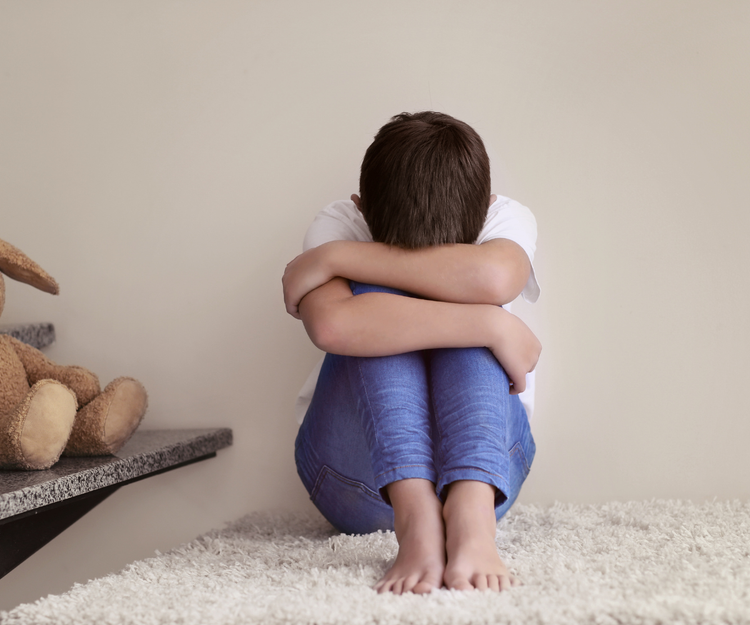
AI and Bullying: How Parents and Educators Can Help
How AI can be used to bully children, and what parents and educators can do to help, from supporting a child to reporting fake images and harmful content.
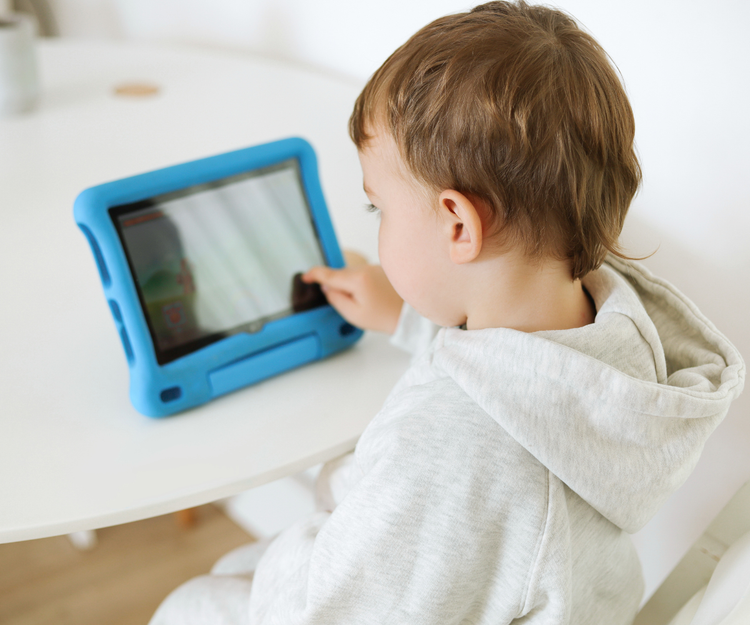
AI-Generated Videos for Young Children: What Parents Need to Know
AI-generated cartoons and nursery rhymes can contain misleading or unsuitable content. Learn what parents can check and how to take more control of young children’s viewing.
Could We Lose Control of AI? An Explainer for Parents and Educators
Could we lose control of AI? An accessible guide to the evidence, risks to children’s futures, and protections parents and educators should understand.
Does My Child Need to Use AI to Avoid Falling Behind?
Worried your child will fall behind without AI? Explore what supports learning, how to build AI literacy, and why early chatbot use isn’t essential preparation.
Who Decides How Much AI Risk Our Children Should Face?
Families can’t opt out of potentially catastrophic AI risks. Who decides what risks children face, and how should governments protect them as AI becomes more powerful?
Is My Child Using AI as a Friend? What Parents Should Look For
Is your child using AI as a friend? Learn the signs of attachment to AI companions and chatbots, how to talk about it, and ways to help them find support.
Before Buying an AI Toy: What Parents Need to Know
Before buying an AI toy, learn the risks of conversational AI toys, emotional attachment, privacy, and open-ended chatbot use, plus what parents should look for.
Fully Updated Guides to AI Risks to Children Now Available
Our free guides to the risks from AI to children have been fully updated and are now available. There are two options - a shorter overview and a longer in-depth guide. Most of the risks covered also link to an article that covers it in even more depth.
Children’s Futures Must Be Central to Frontier AI Governance
SAIFCA launches a public statement calling for children’s rights, safety, and futures to be central to frontier AI governance.
Children’s futures and the governance of frontier AI
A public statement initiated by the Safe AI for Children Alliance