

Keep
Childhood
Human
A campaign to protect
the human foundations of childhood
Keep Childhood Human is a campaign led by the Safe AI for Children Alliance to protect children’s relationships, creativity, independent thought, emotional development, and inner life as AI becomes more present in society.
Children need time and space to develop through human relationships, play, creative effort, and experience of the world. The campaign asks families, educators, technology providers, and policymakers to protect those opportunities in the decisions they make about AI.
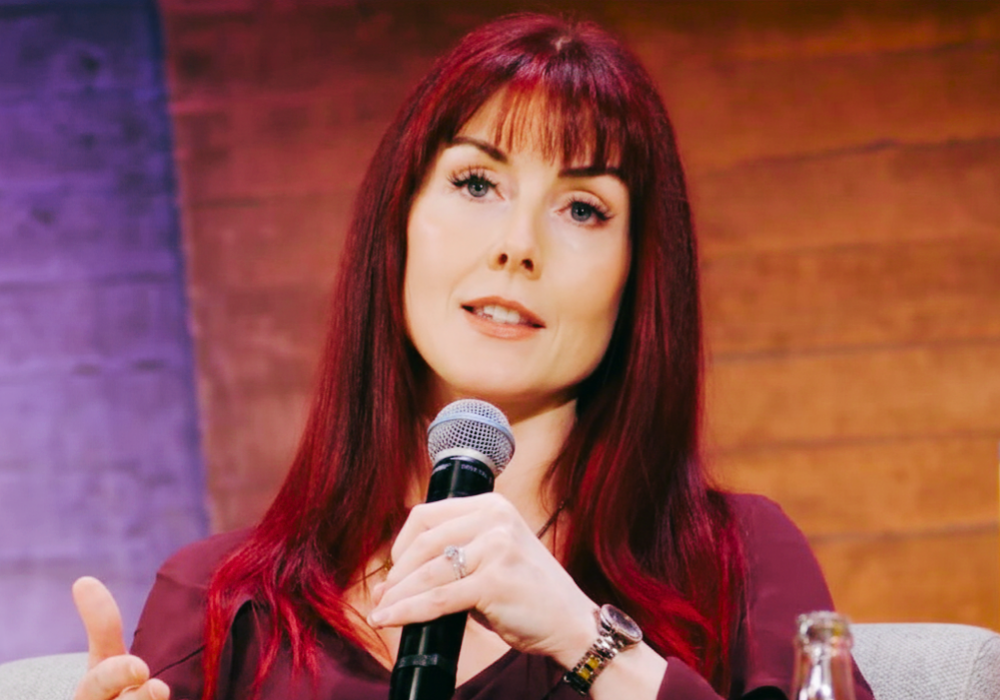
“Children need time to develop their own ideas, make things, build friendships, and find their way in the world. We should protect those opportunities as AI becomes more prevalent.”
Tara Steele,
Director, Safe AI for Children Alliance
"SAIFCA is doing something quite incredibly important"
Why keep childhood human?
Many of the experiences through which children grow take time and involve difficulty. Learning to make something, working through a disagreement, finding an answer, or deciding what to do with an empty afternoon can require patience, effort, and help from other people.
As AI becomes capable of generating finished work, supplying immediate answers, and simulating companionship, we need to consider what children lose when these systems take the place of experiences they need to have themselves.
AI can have beneficial uses, including in healthcare and technologies that help children communicate and participate. Those possibilities do not justify introducing it into every part of childhood, or treating human care, friendship, and creative development as tasks to automate.
Protecting these foundations is a shared responsibility. Families need support, schools need to consider developmental consequences, and technology providers and governments must put children’s interests ahead of commercial pressure to introduce AI into their lives.
The Human Childhood Charter
The Human Childhood Charter sets out six principles for protecting the experiences and relationships children need as they grow. It offers a basis for decisions at home, in schools, in the design of technology, and in public policy.
1. Human relationships and trusted care
Children need relationships with parents, carers, friends, teachers, and other trusted people who can know them, care for them, and take responsibility for their wellbeing. AI should not be normalised as a substitute for human friendship, comfort, or belonging, and children seeking help should have access to people able to support them.
2. Opportunities to create
Children need opportunities to imagine, draw, write, build, sing, perform, and invent. They should have time to practise, make mistakes, and develop their own ideas, with encouragement that values their effort and exploration. Producing a polished result through AI should not take the place of developing these capacities.
3. Independent thought and judgement
Children need opportunities to wonder, question, reason, disagree, and form their own views. They should be supported to work through uncertainty, assess information, and develop confidence in their thinking. AI should not become the default source of answers or decisions in ways that prevent children from developing their own judgement.
4. Unstructured time and play
Children need space for daydreaming, boredom, silliness, and play that they direct themselves. They should be able to explore their interests without continual digital prompting, monitoring, or pressure to remain engaged, and without every activity being organised around a measurable outcome.
5. Participation in the world
Children need physical, sensory, and social experiences through which they can explore, move, make things, cooperate, navigate disagreement, and try again after setbacks. Technology should support access to these experiences and relationships, including for children who face barriers to participation.
6. Protection from manipulation and dependency
Children should be protected from AI systems that cultivate, exploit, or sustain emotional dependency, simulate a need for their affection, or exploit their trust and vulnerabilities. Their private thoughts, feelings, and relationships should not be treated as opportunities for commercial influence. Responsibility for preventing these practices rests with providers and the institutions that govern or introduce their products.
These principles should inform decisions alongside safeguarding, privacy, and independent evidence of safety. Claimed developmental benefits cannot justify exposing children to unsafe systems.
What must we protect in childhood?
We asked experts in children’s development and safety, alongside public figures, what they believe must be protected as AI becomes more powerful and more present in children’s lives.
Their contributions offer perspectives on the relationships, experiences, and opportunities children need, and the responsibilities of adults making decisions about their future.
Help keep childhood human
Share the campaign
Share this page with parents, carers, educators, colleagues, or others involved in children’s lives. Use it to start a conversation about what children need as AI becomes more present at home, at school, and in society.
Use the charter when making decisions
Use the six principles when considering an AI product, discussing a school’s approach, or reviewing how technology is used in an organisation that works with children.
A useful question to ask is:
“What opportunities for human relationships, independent thought, creativity, or play would this use of AI support, and what might it displace?”
Include children’s views in age-appropriate ways, while keeping responsibility for their protection with adults and institutions.
Ask decision-makers to apply these principles
Share the charter with your school, an organisation working with children, or your elected representative. Ask how they are protecting children’s developmental needs in their decisions about AI, and encourage them to use the charter when considering new products, policies, or practices.
More from SAIFCA
Resource Hub