Updated advice for schools and parents on sharing children’s photos online
In January 2026, we were one of the first children’s safety organisations to issue clear guidance to schools on transitioning away from posting identifiable photos of students on public-facing websites and social media.
Before that, we had advised schools to carefully consider the balance of risks and benefits when deciding whether to share identifiable photos of children, and highlighted the fact that the bar to accessing technology capable of sexualising images had been significantly lowered.
And in 2024, we began raising awareness about the risks posed to children by “nudifying” apps and similar technology.
We’re continuing that trajectory of issuing clear advice on this subject, and we now want to explicitly include parents and carers within the scope of our advice. In fact, this advice applies to anyone who might post identifiable photos of children online.
We had hoped that effective measures would quickly be put in place to protect children from AI “nudifying” apps and other similar technologies. While some countries are indeed introducing and enforcing meaningful laws and standards, protection remains inconsistent internationally.
Technology does not stop at borders, and ordinary photos can now be misused in ways that many parents, schools, and children may not anticipate. For that reason, we want our advice to be even clearer than it has been in the past.
Advice to parents and schools on posting children’s photos online
Because of the seriousness of the risks to children, we advise schools, parents, carers, and individuals not to post identifiable photos of children online or on social media.
This is advice without judgement, and we recognise that families and organisations may make different decisions. However, our clear recommendation is to move away from public posting of identifiable images of children wherever possible.
If you’d like to understand more about the context within which we’re issuing this advice, you can read our information on AI “nudifying” apps, along with a step-by-step guide on how to respond if a child is targeted with an AI-generated nude, semi-nude or sexualised image.
This is one of the most serious ways in which a child’s image can be misused, but it is not the only one. AI can also be used to manipulate children’s images in other ways, including making them look “silly”, making them appear to be hurting someone else, or making them appear to be doing something illegal. In some cases, this may form part of a wider pattern of bullying, humiliation, coercion or blackmail.
If parents, schools or organisations prefer not to follow this advice, we strongly advise reducing the number of identifiable photos shared, using privacy settings, avoiding close-up images, and ensuring that personal details such as names, locations, uniform logos, clubs, teams or regular routines are not visible or included.
This is important because identifying details can make it easier for someone to target, contact, threaten, or blackmail a child or a school. While these offences are still thankfully infrequent, they are occurring more often, and protecting children in this way is a sensible precaution.
We have included more detail below on our recommendations, the reasoning behind them, and other protective steps you can take to reduce the risk of image misuse.
None of our guidance is shared with judgement. It is shared because we believe parents, carers, schools and organisations deserve clear, honest advice about the risks children face, and about practical steps that can reduce those risks.
Further advice for schools on posting children’s images online
Schools, clubs and youth organisations should promptly review how they use children’s images. Ordinary photos can now be misused in ways that many parents and children may not anticipate.
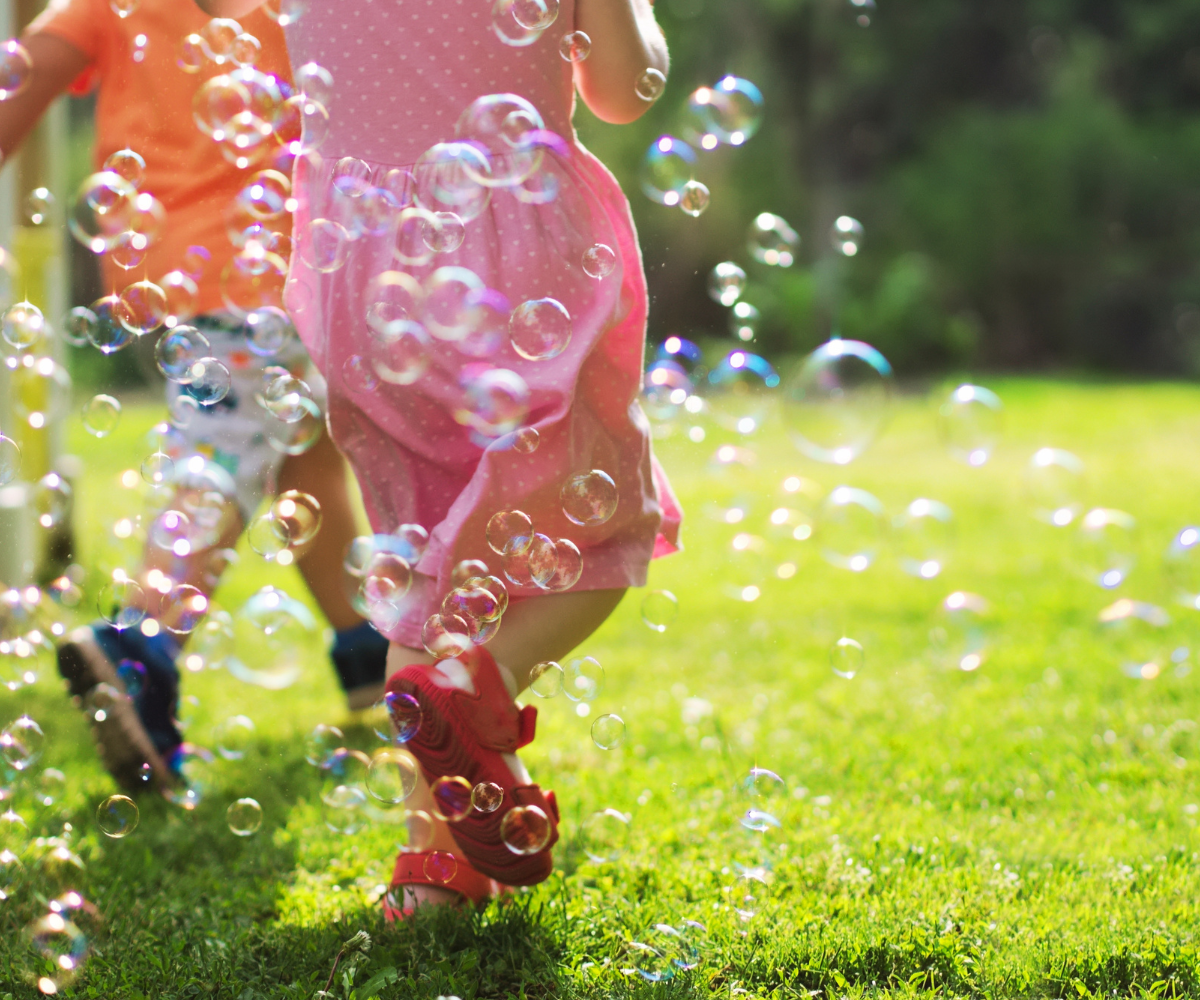
Instead, consider using images where children are not identifiable, such as shots from a distance, from behind, or from an over-the-shoulder/POV perspective.
Schools and organisations should also review existing images that are already online, including old website galleries, social media posts, archived newsletters and public-facing event pages.
Parental consent processes should explain how images may be taken, stored, shared or published, including online use, with specific reference to the potential for AI manipulation. This should be done in a way that is not alarmist, but that communicates the reality of the situation.
If you need to know more about some of the ways in which children’s images can be misused with AI, you can read our updated guidance on AI “nudifying” apps here. It also includes a step-by-step guide on what to do if a child at your school is targeted or the school is blackmailed.
If your school decides not to follow this guidance, we strongly recommend making parental consent opt-in rather than opt-out. This helps to ensure that consent has been meaningfully considered, and protects against children’s images going online if a parent has forgotten to opt out.
This is also a sensible precaution where images are circulated within the school community but are not publicly available, for example in newsletters or closed parent platforms.
Where images are used, schools should avoid pairing children’s faces with identifying details such as full names, class names, locations, clubs, teams, uniform logos or regular routines.
It is also relevant to consider the future wishes of children. While consent is often a parent’s role in this context, it is also fair to consider the fact that the child themselves cannot truly consent to their image being made publicly available. Respect for their autonomy, future wishes and rights should also be part of the decision-making process.
Make it clear to parents and carers that consent can be limited or withdrawn, and ensure that it is easy for parents to change their minds. Consent should be revisited at key points such as the start of a new school year, a change of setting, or a new activity.
Schools should also have a clear process for responding quickly if a parent, carer or child asks for an image to be removed.
This is an inconvenient process and many schools are already under immense pressure. However, this is now a responsibility that schools must take very seriously in order to protect children.
Children and young people should be included in age-appropriate conversations and education about privacy, image consent and AI manipulation. They should also be encouraged to consider their own personal boundaries when it comes to images of themselves.
You can find more helpful guidance for schools and educators here:
 SAIFCA
Further advice for parents on posting children’s images online
We advise parents, carers, and everyone else not to post identifiable photos of children online, including on social media.
We also recognise that, for parents and carers, this is an individual choice, and you may prefer not to follow this advice.
Our advice reflects our honest assessment of the current situation and our belief in protecting children from the risks of AI, including image manipulation and the AI-enabled generation of child sexual abuse material.
You can read more about the issue of AI-generated nude images of children, including via AI “nudifying” apps, here.
AI-manipulated images of this nature can, clearly, be devastating to a child. They may also be used to blackmail, threaten or coerce a child, including through “sextortion”.
At the same time, AI image manipulation can be used to embarrass, bribe, threaten or bully children in other ways. For example, a child could be made to look “silly”, or made to appear as though they are hurting someone else or doing something illegal.
It is for these reasons, and because ordinary photos can now be misused in ways that were not previously possible, that we advise against posting identifiable photos of children online or on social media.
Alternatives can include photos where children are not identifiable, such as shots from a distance, from behind, or from an over-the-shoulder/POV perspective.
If you prefer not to follow this advice, we suggest the following measures:
- reduce the number of identifiable photos of your child online;
- check privacy settings and think carefully about who can see, save or screenshot the image;
- consider using private groups or closed albums;
- avoid posting close-up images of your child’s face;
- do not post photos where personal details such as their name, address, school, uniform, location, club, team or regular routine can be established;
- ask older children whether they are comfortable with an image being shared, and respect their answer;
- ask relatives and friends not to repost, screenshot or share images of your child without your permission;
- never post a photo of someone else’s child online or on social media unless you have express permission.
Other measures you can take to protect your child include removing or reducing old photos of them that are already online, withdrawing consent for schools and clubs to share their photo online, and talking to your child’s school about its policy on sharing children’s photos (you can share this article with them!).
Private sharing options, such as direct messages, closed family albums or private groups, can significantly reduce some risks (though no digital sharing route is completely risk-free).
As well as protecting children now, it is also fair to consider their future wishes and their autonomy. It may be that, when they are older and fully understand the risks and implications, they would prefer for their photo not to have been shared publicly.
Our advice is simple: wherever possible, do not post identifiable photos of children online or on social media. Where images are shared, reduce identifiability, reduce frequency, use privacy settings and alternative platforms, remove personal details, and consider the child’s present and future wishes.
You can find more helpful guidance for parents and carers here:
 SAIFCA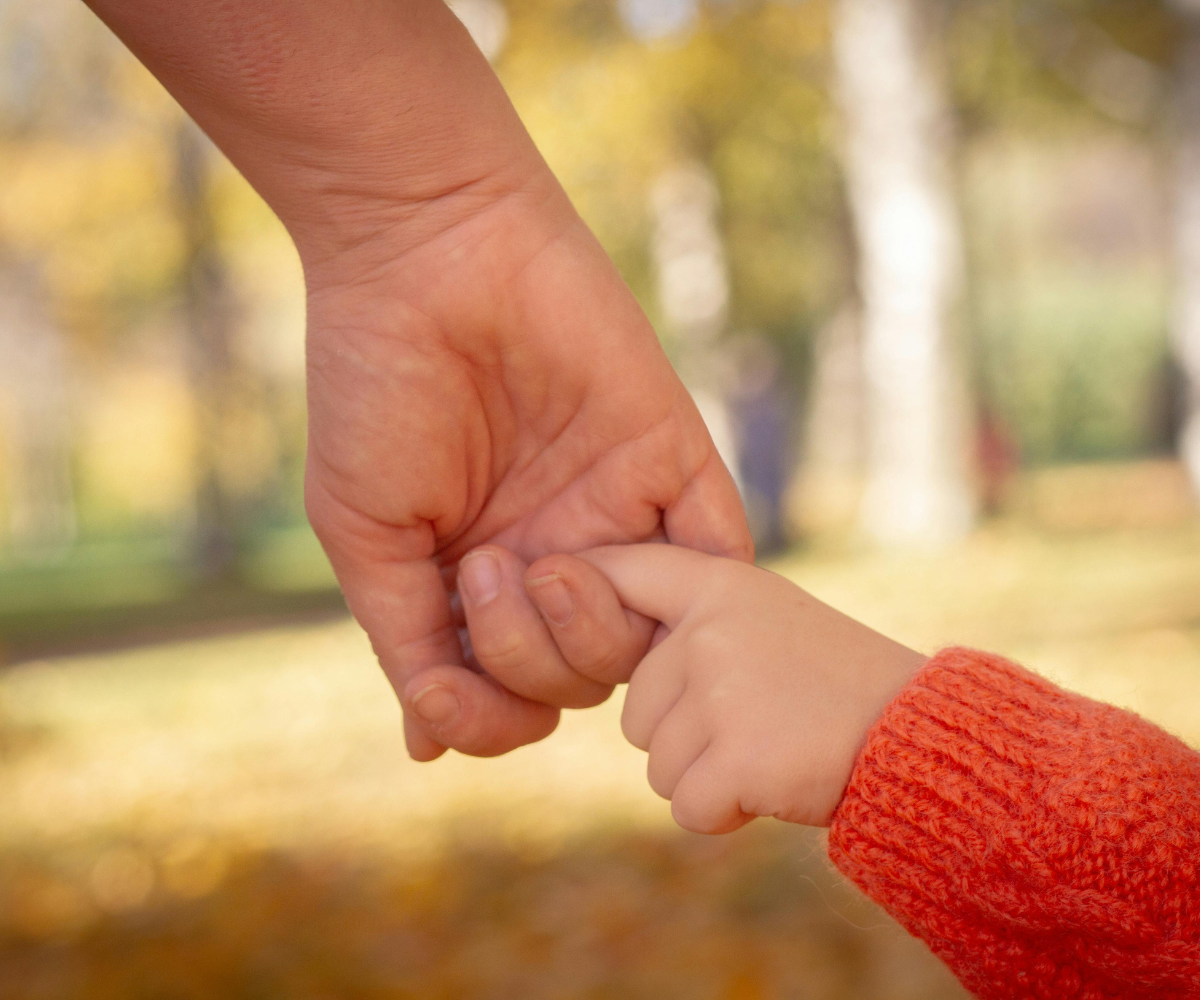
Other helpful links
Information on “nudifying” apps and how to respond to an incident here
Guardian article on schools being blackmailed here
Full guide to AI risks to children here
 SAIFCA
 SAIFCA
 SAIFCA