The Safe AI for Children Alliance Newsletter - Summer 2026 Round-Up

Welcome to SAIFCA’s summer round-up newsletter!
Over recent months, we've published new guidance for families and schools, contributed to important policy discussions, and seen SAIFCA’s work used in research, public guidance, and safeguarding practice around the world.
We have some important developments to share, alongside a selection of new and updated resources for parents, educators, and everyone concerned with children’s safety and wellbeing as AI develops.
In this edition
📌 A new guide on how to talk to children about frightening AI headlines
📌 How SAIFCA’s work is helping to inform policy, research, and guidance
📌 Representing children’s interests at the House of Lords
How to Talk to Children About Frightening AI Headlines
Recent headlines and public warnings about the potential for future AI to cause catastrophic harm may be frightening or confusing for children who encounter them. These warnings should be taken seriously, but children can easily receive them without the context needed to understand what experts are saying, where there is still uncertainty, or what is being done in response.
Our new in-depth guide explains how parents, carers, and educators can talk about these headlines calmly and honestly. It looks at what the warnings mean, why experts disagree about the level of risk, and how to offer children meaningful reassurance without dismissing the issue.
The central message for children is that they are safe now. They need to know that these headlines concern possible future risks, frightening outcomes are not inevitable, many people are working to make AI safer, and responsibility for addressing these risks belongs with adults.
 SAIFCA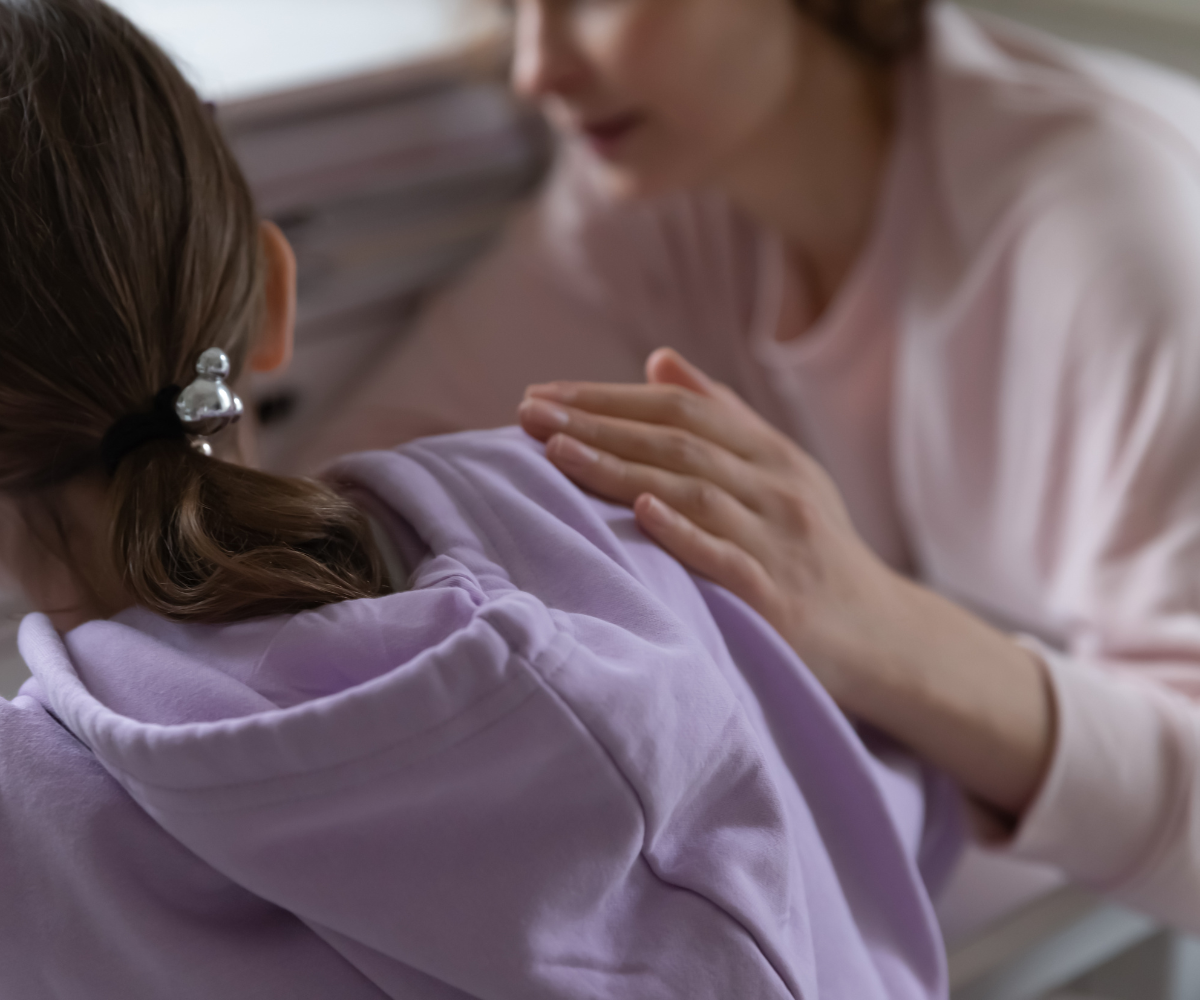
Helping Our Work Travel Further
We would like to thank everyone who has cited, shared, built on, or put SAIFCA’s work into practice.
When we publish guidance, our aim is to produce work that really helps people understand and respond to the ways AI is affecting children.
Over recent months, we've been very grateful to discover that SAIFCA’s work has travelled much further than we realised. Our guidance has been cited or drawn upon by national regulators, professional bodies, researchers, policy organisations, educators, and safeguarding professionals around the world.
Among the examples:
- The American Psychiatric Association cited SAIFCA’s work in the policy and regulatory reference base for its 2026 Resource Document on Artificial Intelligence in Psychiatric Practice.
- Australia’s eSafety Commissioner cited our work on emotional AI in official guidance for parents and carers about emerging AI-related risks to children and young people.
- Poland’s State Commission responsible for preventing the sexual exploitation of minors cited our comprehensive guide to AI risks in a substantial publication for parents and carers, launched at the Polish Senate.
- The Brookings Institution included SAIFCA’s comprehensive guide as an example of family-facing AI-safety information in its major report on children, education, and generative AI.
- Researchers developing a new child-safety evaluation framework for generative AI used two SAIFCA publications in constructing their initial taxonomy of risks to children.
Our guidance has also begun to appear in practical safeguarding systems, including school child-protection guidance, educational resources, and organisational policies governing the publication of children’s photographs.
Several of these examples were discoveries we happened upon some time later. If you have cited, used, or built upon SAIFCA’s work in research, policy, education, safeguarding, journalism, or another setting, we would love to hear from you.
Thank you to all who have used or shared our work!
 SAIFCA
Representing Children’s Interests at the House of Lords
In July, SAIFCA representatives joined policymakers, experts, and industry leaders at the House of Lords for the parliamentary roundtable Women Leading Britain’s AI Future: Safe, Inclusive, High-Growth. This marked SAIFCA’s largest in-person presence at a parliamentary event to date.

Discussions included Safety by Design, regulation and accountability, AI-generated deepfakes and intimate imagery, and the representation of women within AI development and governance. A recurring theme was the need to prevent foreseeable harm at the design and development stage, rather than relying primarily on action after harm has already occurred.
This was SAIFCA’s third engagement in UK Parliament during 2026 and another important opportunity to ensure children’s interests formed part of the wider discussion about Britain’s AI future.
 SAIFCA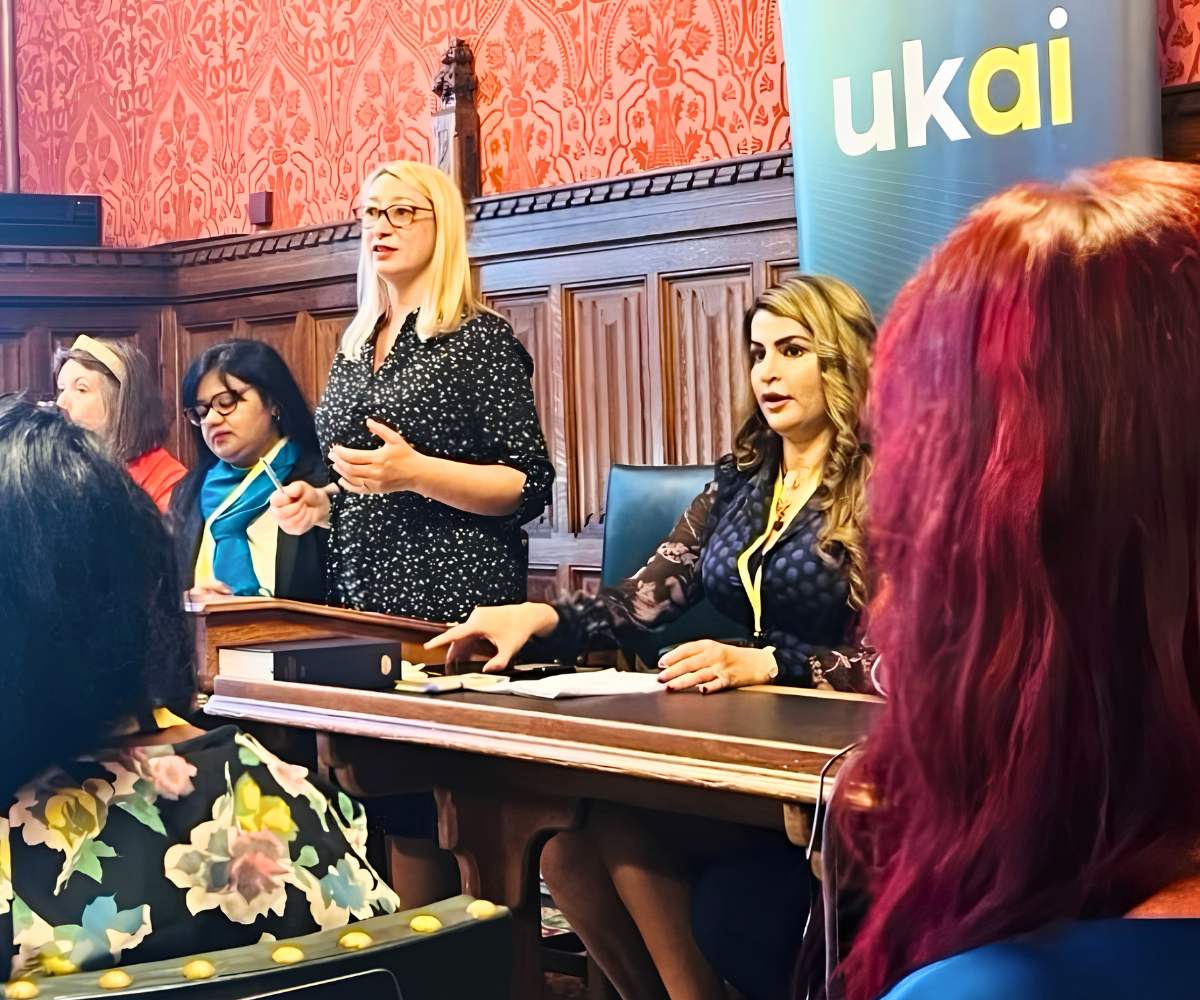
New Guidance and Analysis
We've recently published a wide range of new articles and guides. Here is a selection that we hope parents, carers, educators, school leaders, and policymakers will find helpful.
AI Toys: A Parents’ Guide
AI-enabled toys can listen, respond, remember information, and hold increasingly sophisticated conversations. This guide explains the questions parents should ask about privacy, emotional attachment, age appropriateness, and the role an AI toy may begin to occupy in a child’s life.
 SAIFCA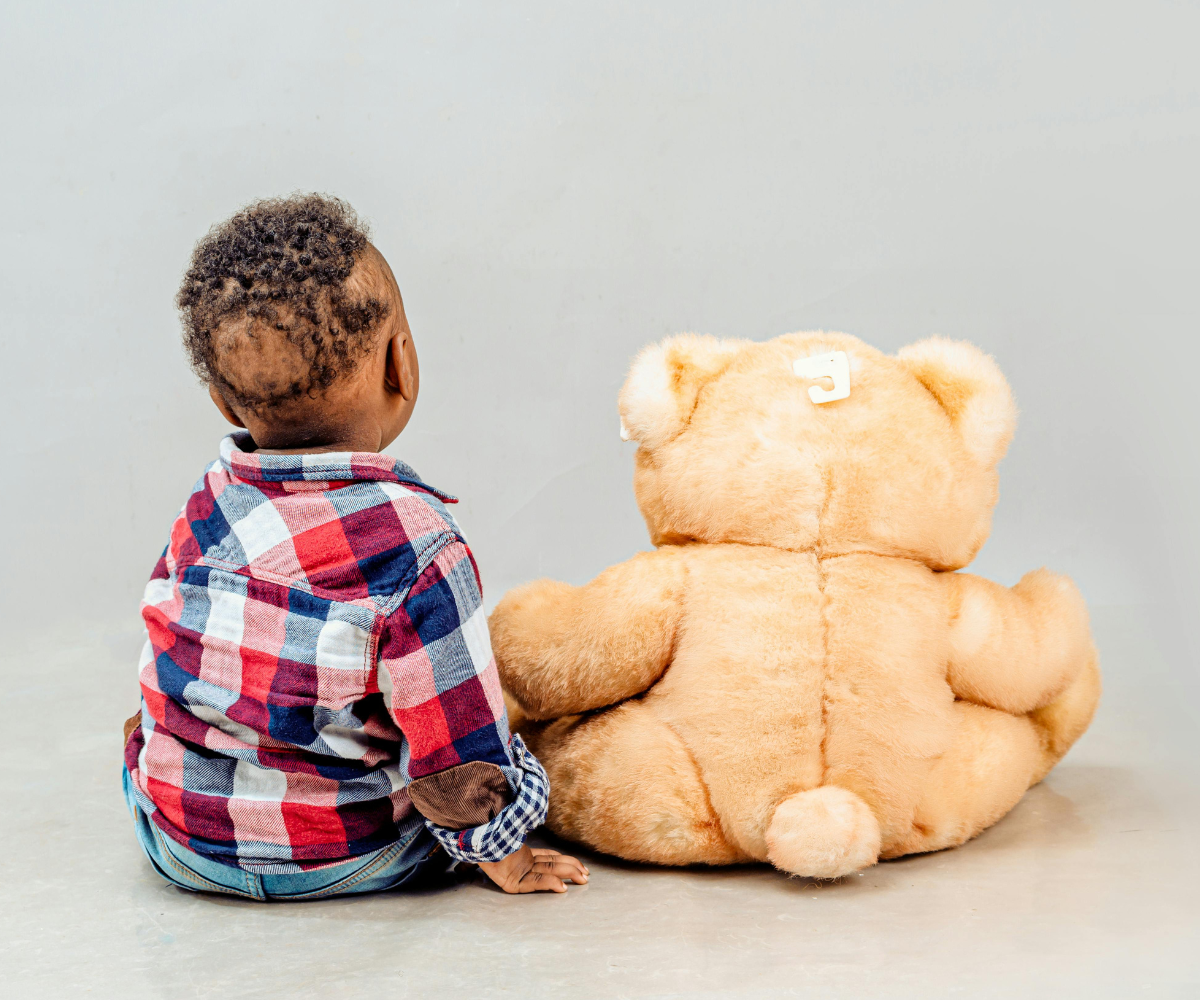
The “AI Arms Race”: What It Means for Children and How It Could Be Stopped
Our new long-form guide examines the commercial and geopolitical pressures driving increasingly rapid AI development, the risks this creates for children now and in the future, and how governments could begin to change the incentives.
 SAIFCA
AI Glasses and Children: What Parents and Schools Need to Know
AI glasses are making cameras, recording technology, and AI assistants less visible in everyday life. This guide considers the implications for children’s privacy, consent, safeguarding, and school policies, alongside practical steps adults can take now.
 SAIFCA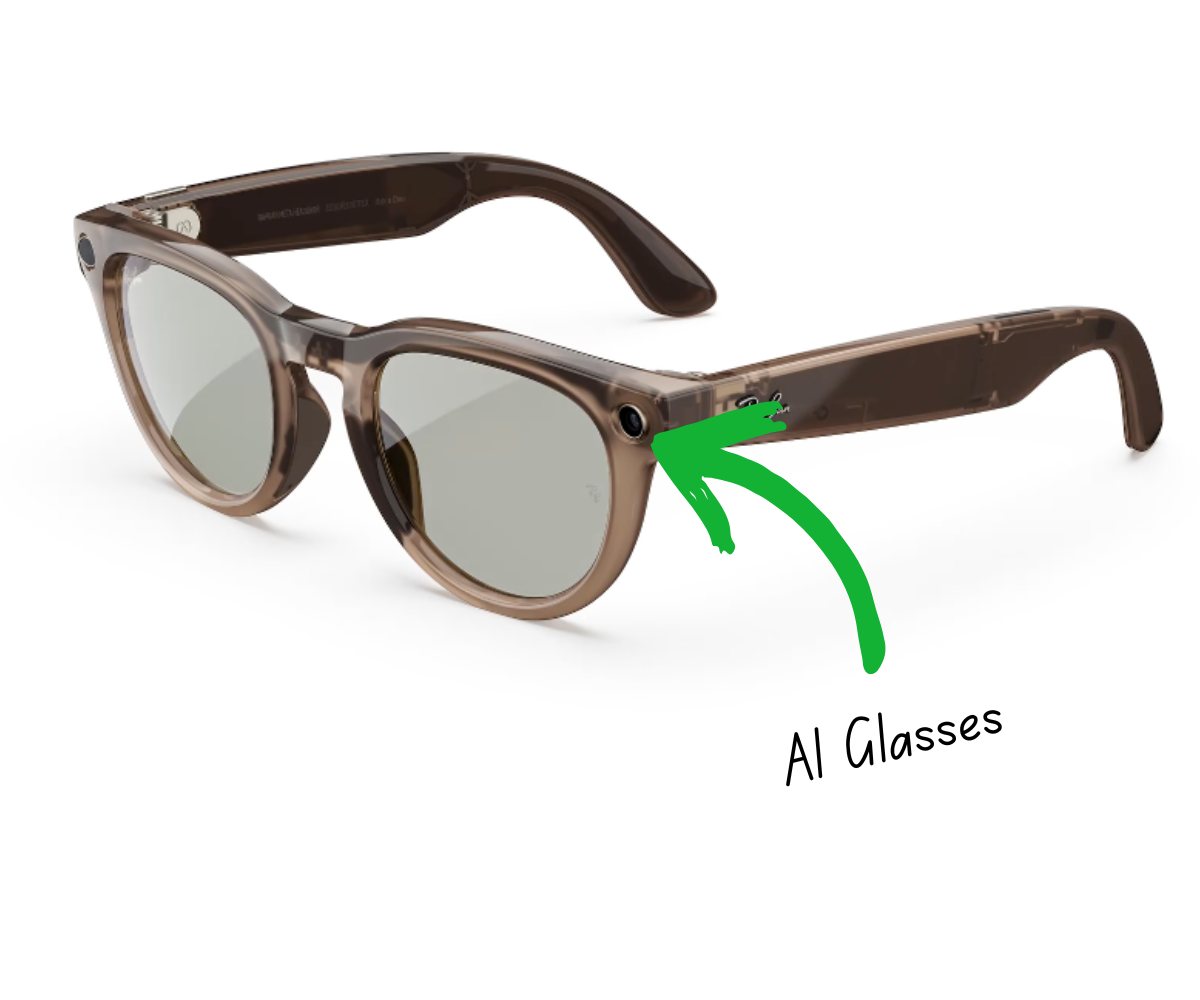
Should Schools “Ban” AI?
A detailed guide for school leaders, governors, safeguarding professionals, and policymakers considering how AI should be approached in education. It examines the evidence, major risks, emerging international restrictions, UK safety standards, and the questions schools should answer before introducing student-facing AI.
 SAIFCA
Is ChatGPT Safe for Children?
Our new guide looks closely at ChatGPT’s age limits, its recently introduced protections for teenagers, and the evidence concerning learning, cognitive development, emotional attachment, parental controls, and children’s trust in AI.
It explains why eligibility to use a service is different from developmental appropriateness, and why significant caution is warranted while the long-term evidence develops.
 SAIFCA
Recently Updated Guidance
AI Risks to Children - A Quick Guide for Parents
A concise starting point for parents and carers who want to understand the main ways AI may affect children, together with practical steps families can take.
 SAIFCA
AI Risks to Children - A Comprehensive Guide for Parents and Educators
Our comprehensive guide brings together the major current and emerging risks, from harmful content, exploitation, privacy, and AI companions to education, cognitive development, and the longer-term societal effects children may inherit.
 SAIFCA
AI “Nudifying” Apps: Updated Guidance for Parents, Carers and Educators
Updated guidance explaining how AI tools are being misused to create sexualised images of children, what parents and schools can do to reduce the risk, and the immediate steps to take when an incident occurs.
 SAIFCA
Preparing Children for a Radically Different Future of Work
Nobody can predict with certainty how AI will reshape employment. However, children may enter a workforce radically different from the one we know today.
Our revised article considers what this uncertainty means for children’s education and how we can protect the knowledge, metacognition, adaptability, and independent thinking they may need in the future.
 SAIFCA
Version 2.0 of SAIFCA’s Three Non-Negotiables Policy Framework
We have also updated and strengthened our Non-Negotiables campaign, which sets out three minimum protections that every child should be guaranteed:
- AI systems must never create or facilitate sexualised images of children.
- AI systems must never be designed or allowed to make children emotionally dependent.
- AI systems must never encourage children to harm themselves or others.
Version 2.0 includes stronger safeguards across upstream AI models and downstream products, clearer accountability, and explicit recognition of the international AI arms race shaping children’s safety and future.
 SAIFCA
The months ahead will bring difficult questions, important opportunities, and a continuing need to ensure that children’s interests are represented wherever decisions about AI are being made.
Thank you for reading, sharing our guidance, and joining us in building a safer AI future for children!
If you know someone who would find these resources helpful, please consider forwarding this newsletter to them.
With thanks,
The Safe AI for Children Alliance