Resources for Parents and Carers
Explore practical guides for parents and carers on AI risks to children, from chatbots, toys, and privacy to talking about worrying headlines and preparing for a changing future.
Start here with some of our core guides and articles
AI Risks to Children – A Quick Guide for Parents
A short guide to the main risks to children from AI - including chatbots, AI toys, deepfakes and voice cloning - with practical steps parents and carers can take. Updated September 2026.
 SAIFCA
AI Risks to Children: A Comprehensive Guide for Parents & Educators
A full guide explaining the risks to children from AI, designed for parents, carers and educators - by The Safe AI for Children Alliance. Updated September 2026.
 SAIFCA
How to Talk to Children About Frightening AI Headlines
A calm, age-appropriate in-depth guide for parents, carers, and educators when children see headlines that advanced AI could threaten humanity. It explains what the headlines mean, why they are being taken seriously, where experts disagree, and how to offer reassurance without dismissing the risk.
 SAIFCA
Explore Specific Topics
Is ChatGPT Safe for Children? Age Limits, Risks and Advice for Parents
Is ChatGPT safe for children and teenagers? This guide looks at age limits, learning, cognitive development, emotional attachment, parental controls, and the evidence behind the risks and potential benefits, with practical guidance for parents and schools.
 SAIFCA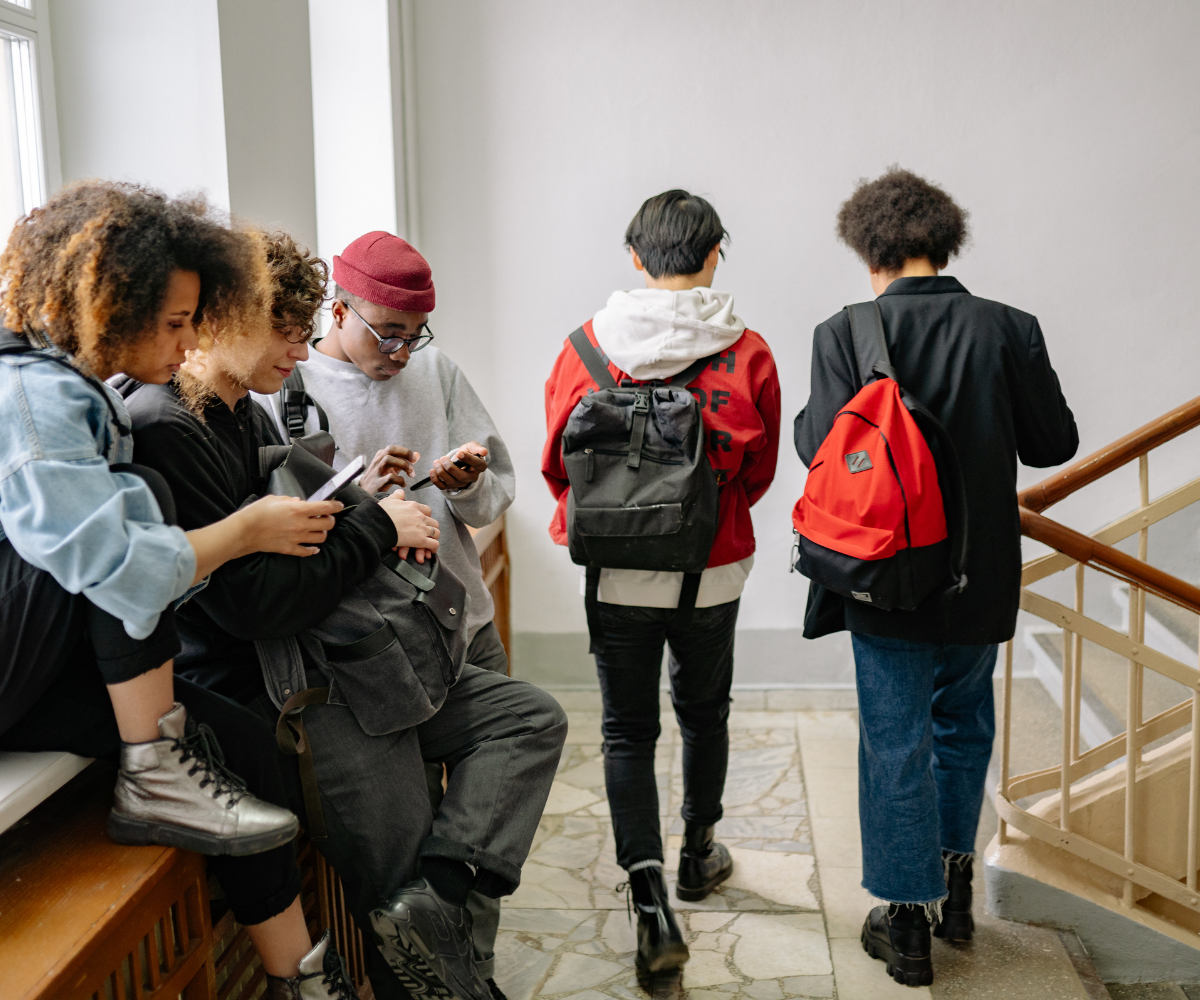
AI ‘Nudify’ Apps and Children: What Parents and Educators Need to Know (Updated 1 July 2026)
Learn what AI “nudify” apps are, how to respond when a child is targetted (step by step), and how we can help to protect young people.
 SAIFCA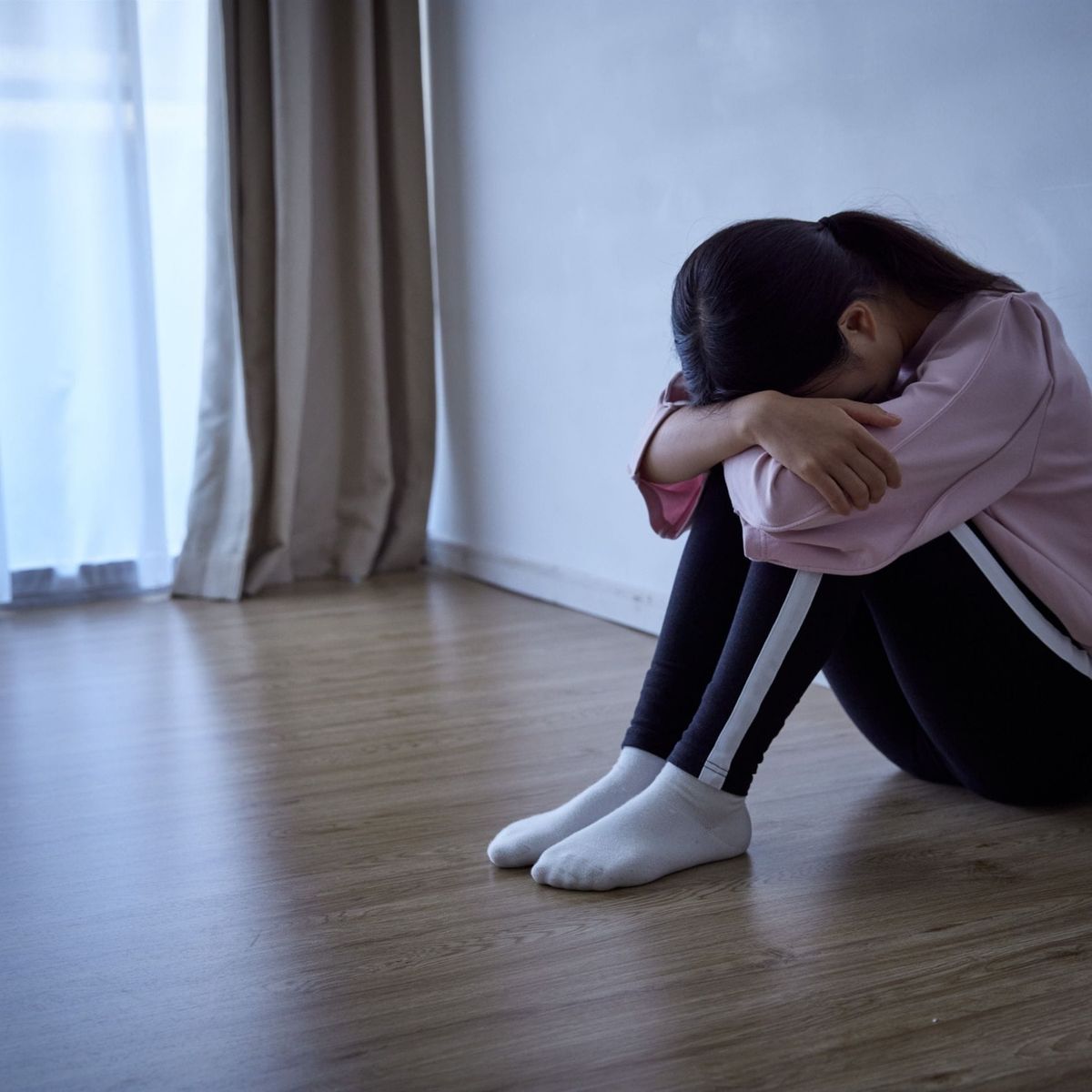
AI Toys: A Parents’ Guide
A quick guide for busy parents and carers, covering the main risks of AI-enabled toys such as ‘AI teddy bears’ - from dangerous content to emotional attachment and privacy - along with practical steps for reducing the risks if your child does use one.
 SAIFCA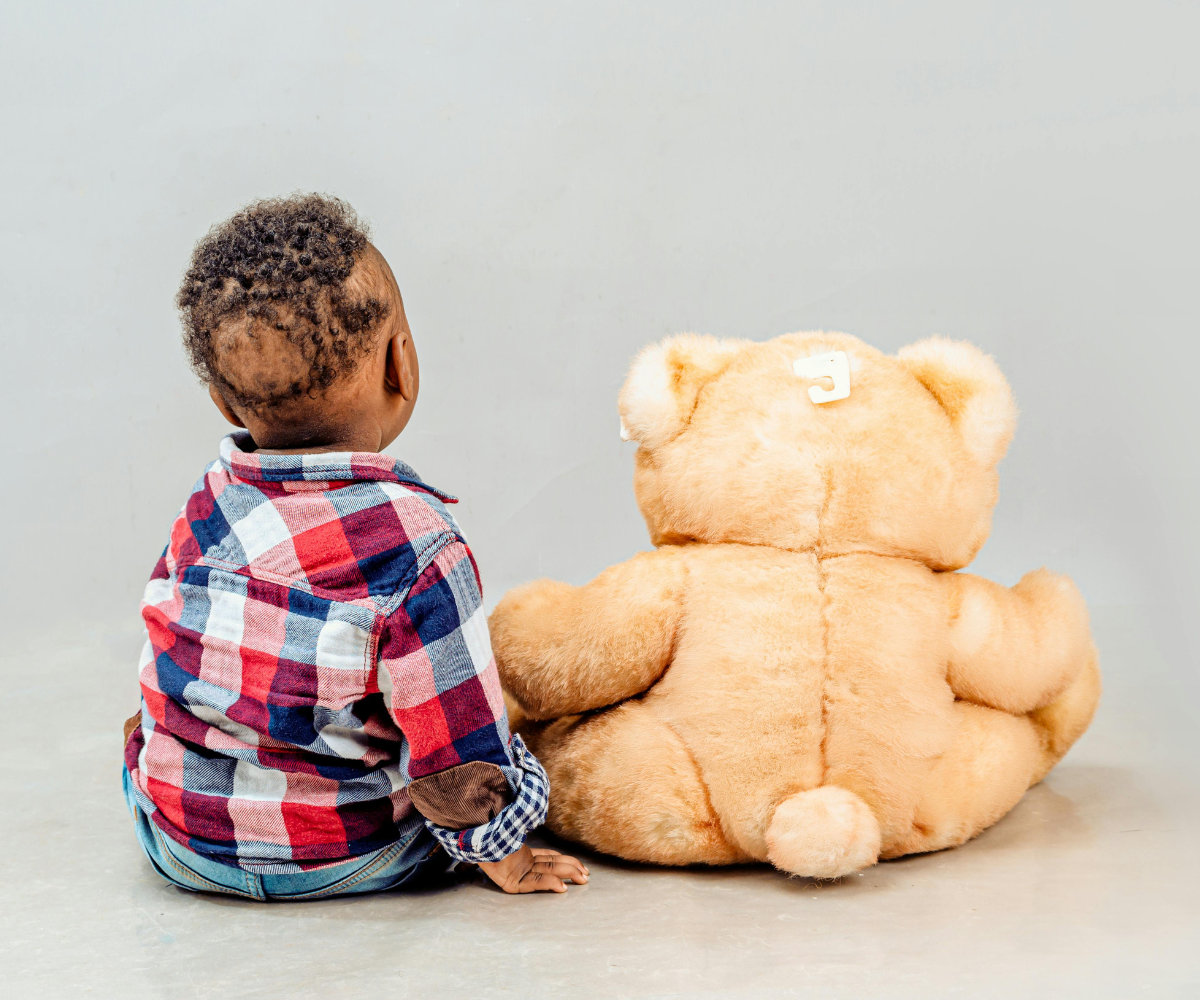
AI Companion Chatbots: The Risks to Children
AI companion chatbots can appear harmless, but they pose serious and unacceptable risks to children and teenagers. This article outlines why these tools are unsafe, what families need to know, and what action is urgently needed to protect young people. Updated September 2026.
 SAIFCA
AI Glasses and Children: What Parents and Schools Need to Know
AI glasses are making cameras and AI assistants less visible in everyday life. We look at what this means for children’s privacy, safeguarding and schools, and the practical steps adults should be taking now.
 SAIFCA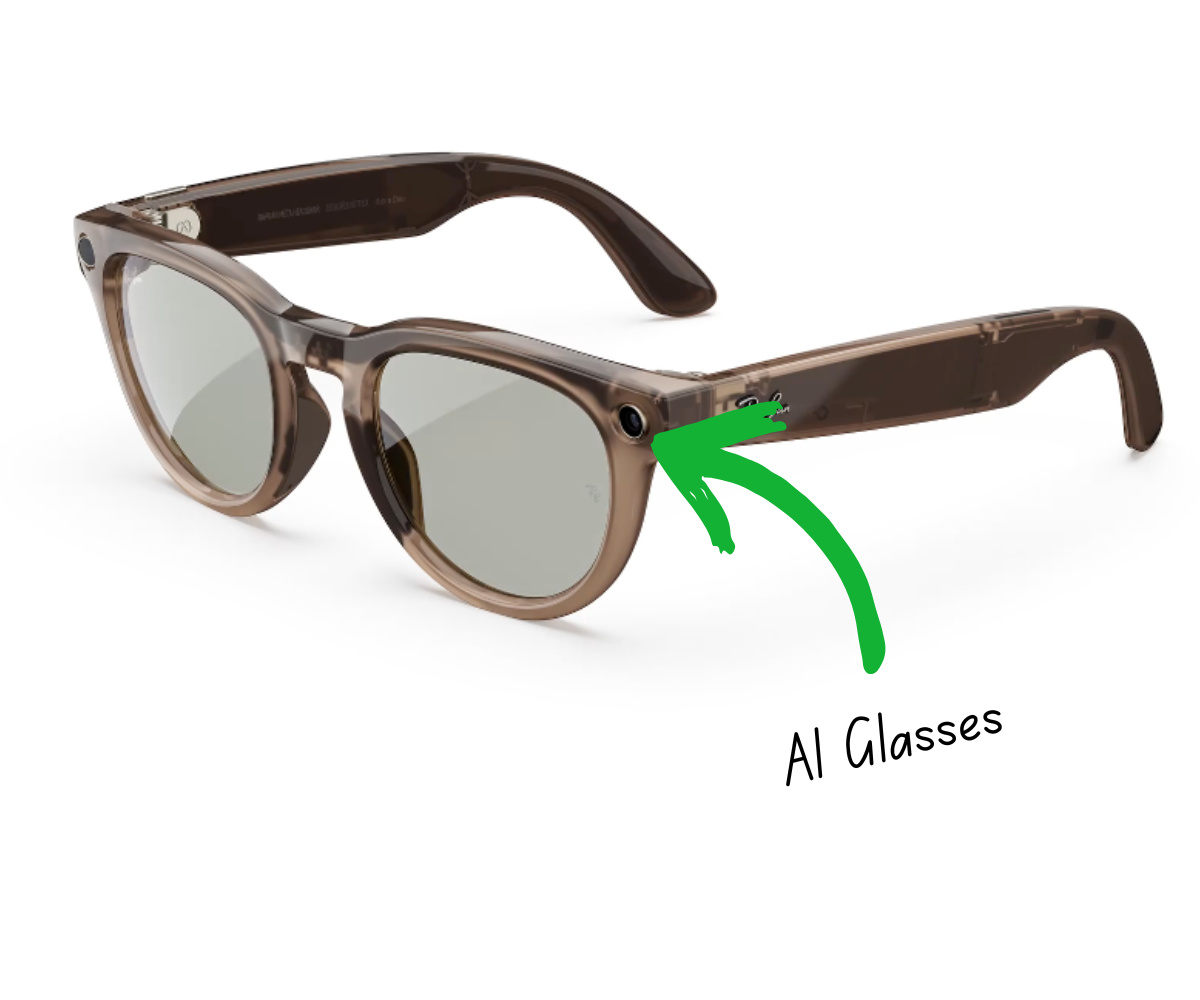
Updated advice for schools and parents on sharing children’s photos online
We’ve updated our advice on sharing identifiable photos of children online and on social media. Our guidance reflects the serious risks children now face from AI image manipulation and so-called “nudifying” apps.
 SAIFCA
AI Griefbots: Protecting Children in the Era of Digital Afterlife
AI griefbots simulate conversations with someone who has died. This guide explains the concerns for children, SAIFCA’s advice for parents and schools, and where families can find bereavement support.
 SAIFCA
Should Schools “Ban” AI?
A detailed guide for school leaders, governors, safeguarding professionals and policymakers considering AI use in education. It examines the evidence, key risks, emerging international restrictions, UK safety standards and the questions schools should answer before introducing student-facing AI.
 SAIFCA
Children's Futures and the Wider Picture
Will AI Replace Jobs? Preparing Children for a Radically Different Future of Work
(Updated September 2026) AI could transform the workforce today’s children inherit, with significant consequences for jobs. This updated guide explains what we know, why timelines are uncertain, and how parents, schools, and policymakers can help to prepare children.
 SAIFCA
The “AI Arms Race”: What It Means for Children and How It Could Be Stopped
This long-form guide examines the forces driving the international AI arms race, the risks they create for children now and in the future, and how governments could change the incentives. It considers practical proposals for safer development and the role children’s organisations can play.
 SAIFCA